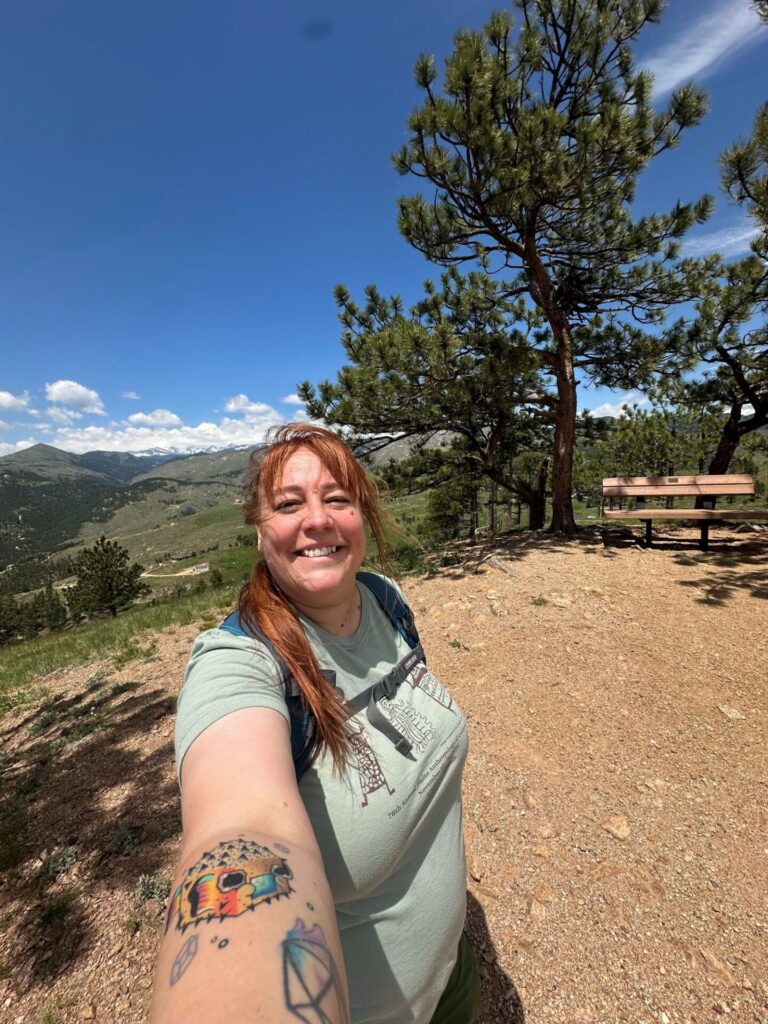
Audio version of “Finding My Way across Many Trails.” Read by Amy Gillaspie.
(December 4, 2025)—When I was in third grade, my teacher read a book to my class. One of the characters was an archaeologist, and while listening to those pages, I had what was the first epiphany of my life. Clarity hit out of nowhere. It felt like destiny in the most unexpected, unfamiliar, and monumental way.
I knew—in that deep, soul-level way—that I was going to be an archaeologist. I was already reading a lot of historical fiction, so from that moment on, I devoured everything I could about history and archaeology. The fire was lit, and the path was set.
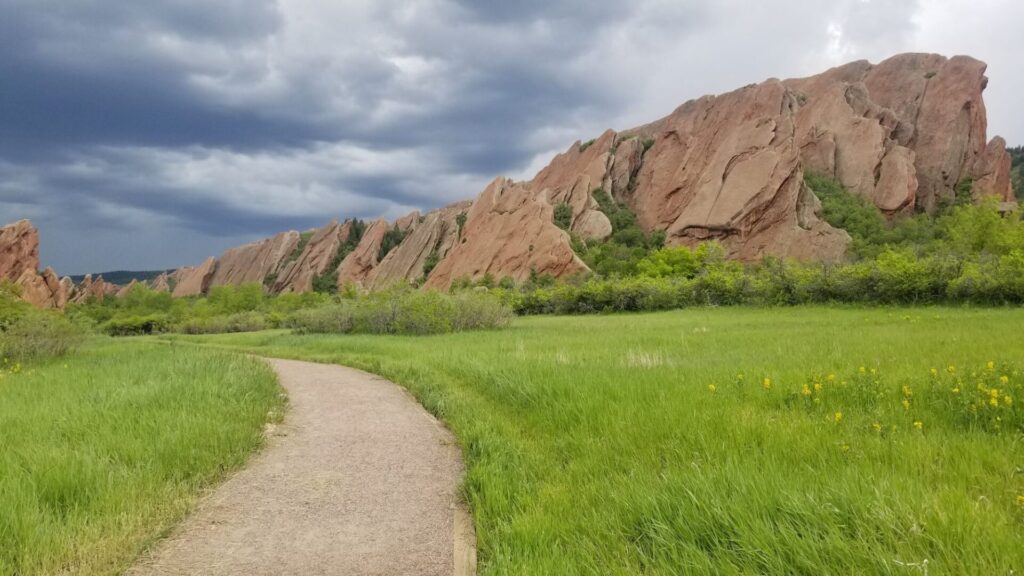
Of course, real life rarely follows the neat trail we imagine for ourselves at age eight. It would take almost thirty years before I officially stepped into my archaeology career—and even then, my walk was not a short path from point A to point B. I took many detours, and I’m grateful for them all.
When I was asked to consider “Trails” as a theme for this post, my brain immediately splintered into two directions. First: I envisioned physical trails. The dirt paths and switchbacks I’ve walked either only once or again and again since growing up in the foothills of Denver, and later, trails all over the world as I began to travel and see new places.
Second: I then quickly thought of the esoteric, the metaphor. I thought of the path of my life that brought me into actualizing a career in archaeology and anthropology. I’ve been told that I’ve followed a non-traditional path, and I wear that like a badge of honor because it allows me to connect with those I see alongside me, pursuing their dreams in a way that society has told them they cannot or they should not.
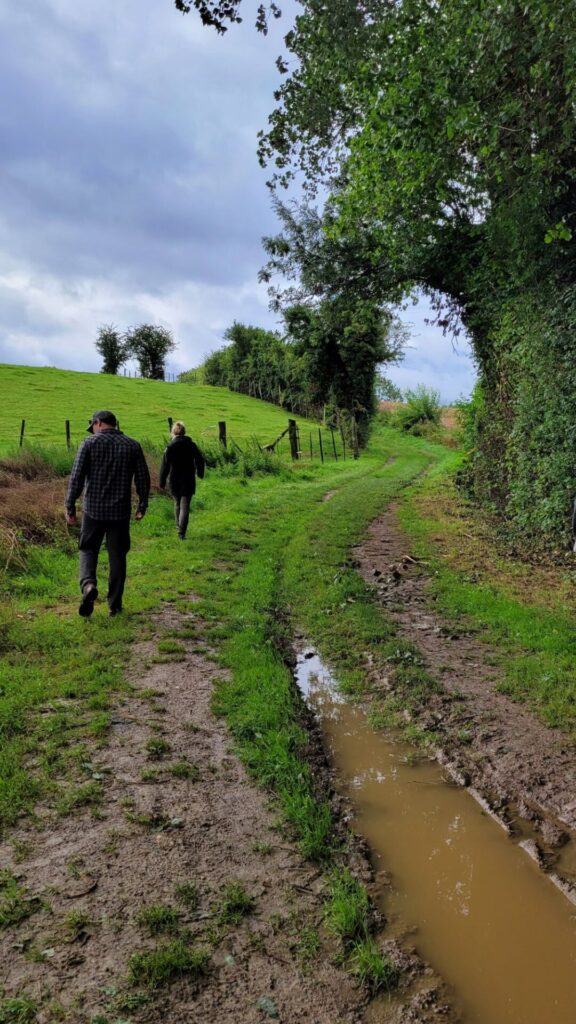
So trails—the figurative and the literal—are deeply intertwined for me. We walk trails with our feet, yes, but also with our minds and souls. I have hiked for surveys or to reach archaeological sites for visits, education, or excavation, but I have also hiked through moments of growth, identity, grief, and healing.
My path wasn’t smooth. I grew up in a tumultuous environment and left home at 15, becoming legally emancipated at 16. I dropped out of high school, got my GED at 17, and started community college while working full-time. School wasn’t the issue—life around me was.
And even when I started college, the system threw up its own barriers. When my advisor asked what I wanted to be and I answered “Archaeologist!” with enthusiasm, they replied, “No, you don’t want to do that. You’ll never make any money.” Just like that, I allowed myself to be nudged into the Biology track for my entire first year. Lucky for me, I learned much that year that I was able to build upon when I returned to Anthropology the next year.
I worked full-time and took 10 years to earn two bachelors degrees, one in History and one in Anthropology. In my final year of undergrad, I attended my first archaeological field school at the age of 28, easily 5 to 10 years older than everyone else in my cohort. Regardless of our age differences, we became tight-knit immediately, and I learned that my age would be a barrier in some spaces, but not others—as long as I had the right outlook.
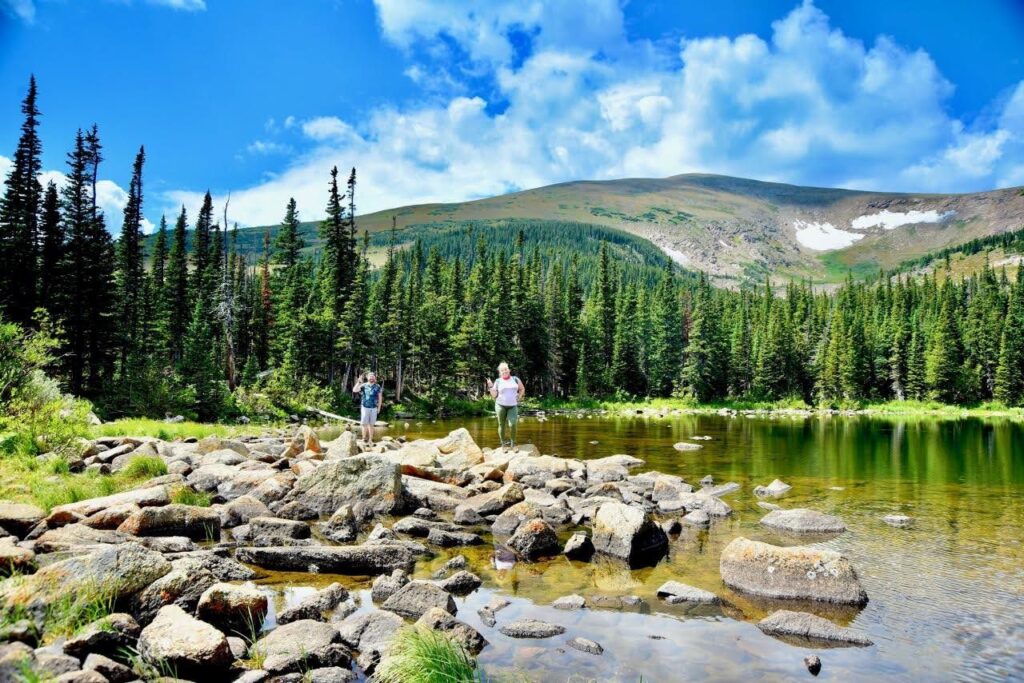
Following field school, in my final semester, my mom became abruptly ill and passed away weeks later. I graduated two months later. It was at this time in my life that I turned to the outdoors—hiking mile after mile to process grief, begin healing, and find who I was and who I am.
I took a break to process, had my son, and spent time in a career in real estate, where my path took me to conferences and led to publications, all skills that would lend toward my work in Anthropology in the future. I returned to academia to start my master’s degree at age 35. I started volunteering at Denver Museum of Nature and Science, and took internships and classes that would teach me a diverse array of skills to use in archaeology and anthropology. I graduated in 2020, at the height of the pandemic.
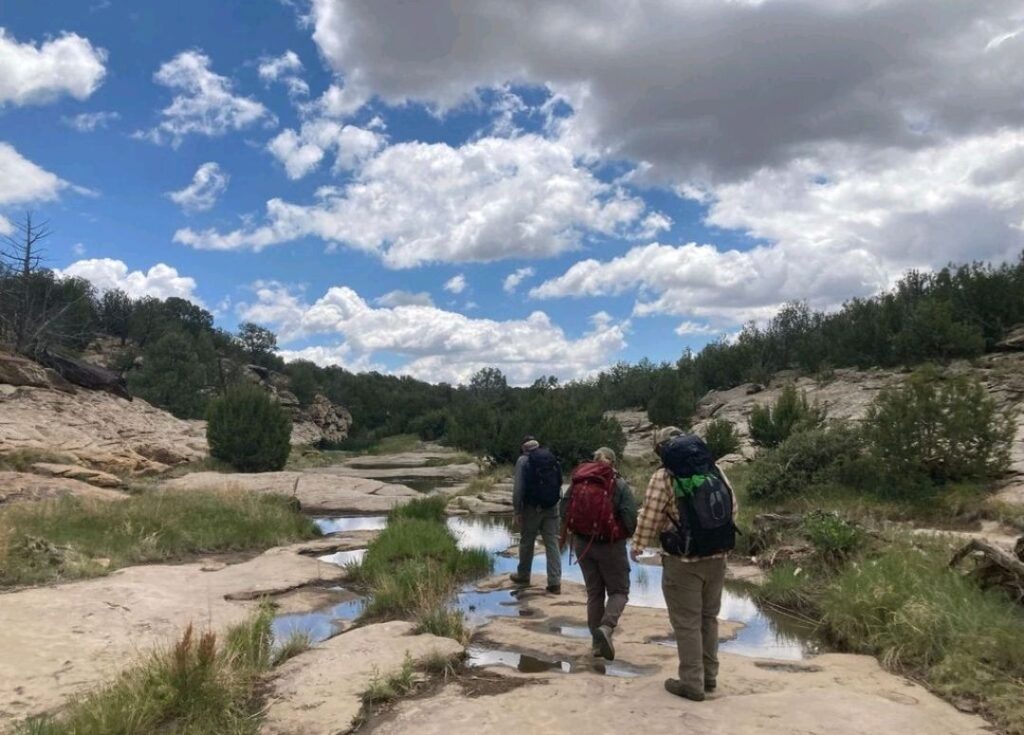
The job market was, simply put, a mess. CRM firms were doing socially distanced excavations, but not hiring. Museums and universities were virtual or closed, and not hiring. No one had space for me. So I did what I’ve always done: I followed the trails that opened up. I took term contracts anywhere I could find them. Because I had done a little bit of everything during grad school, I ended up getting experience in nearly all aspects of archaeological work—from technician to crew chief to collections assistant to research assistant to principal investigator. And through it all, I was hiking.
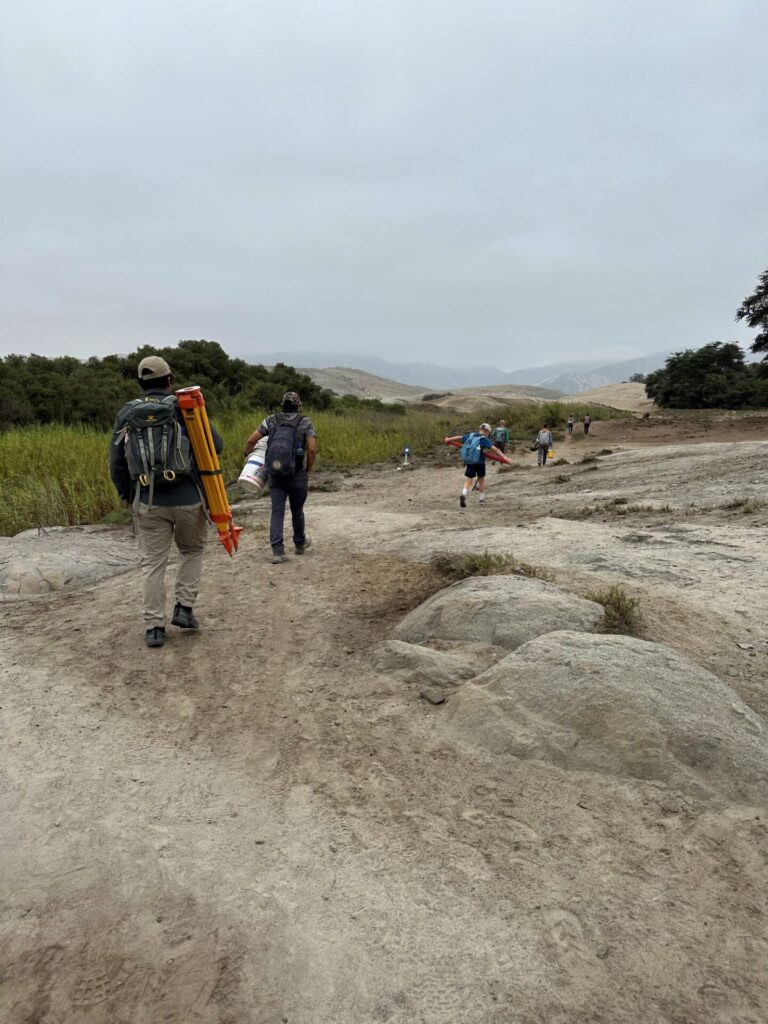
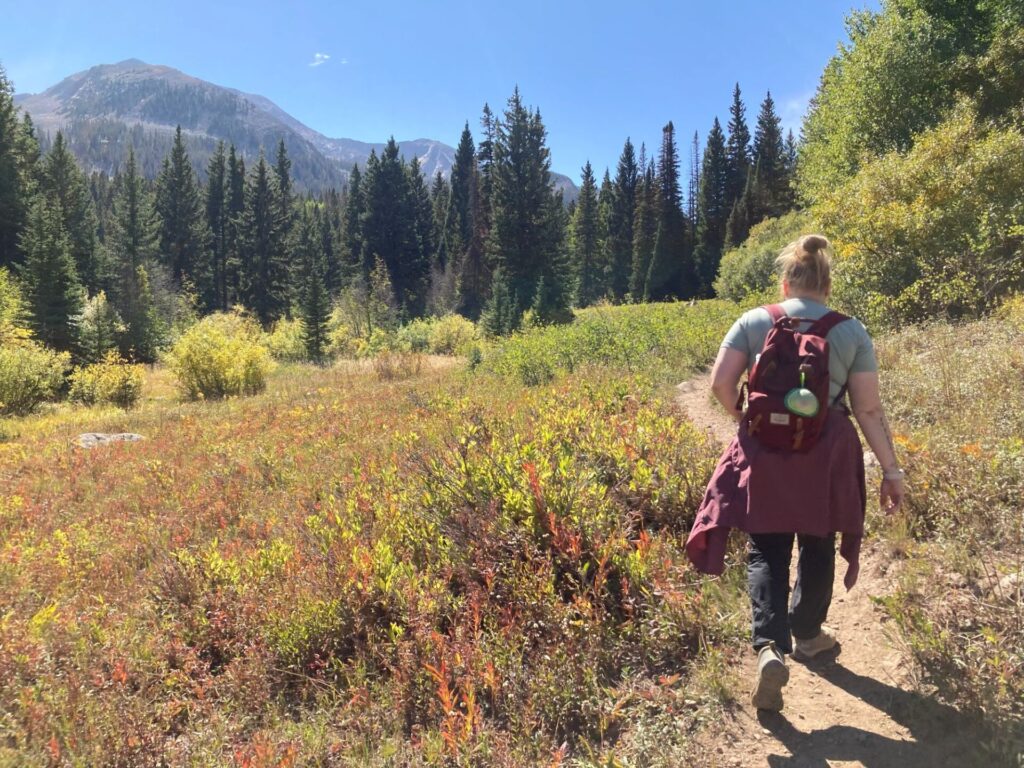
Hiking helped me through my loss. It helped me through my growth. The trails I travelled led me to find myself, and reinvent myself, and evolve time and time again. I learned that I love the smells of nature. I bask in the sound of the wind in pine trees. I marvel at sunrises and cold temperatures at timberline in the height of summer. I saw my young son grow up on trails, and learned that he is the best hiking buddy I could ever ask for. Whenever I feel stuck or uneasy in life, I don’t seek answers. I seek a trail.
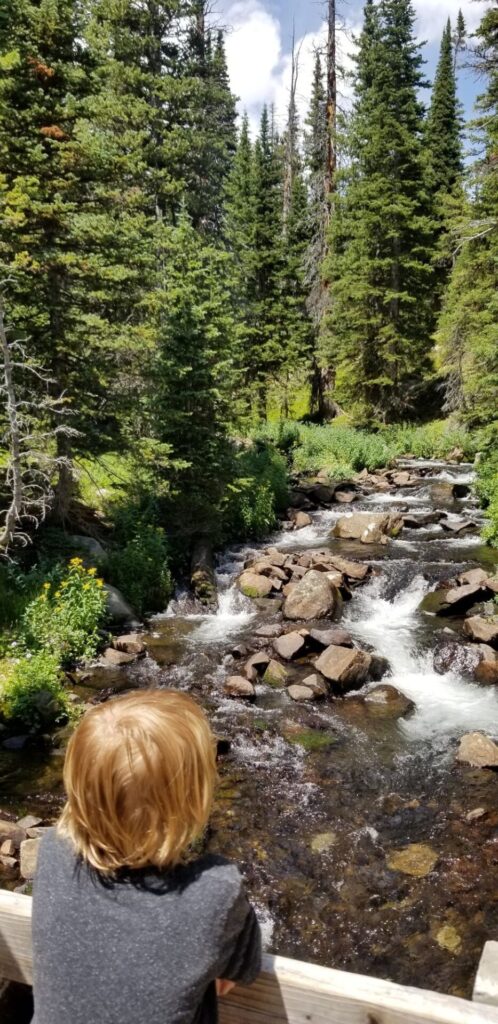
Through it all, I owe so much to the people who walked alongside me. My mentor, Dr. Michele Koons, opened doors for me to join projects around the world. We’ve walked both our career paths together and physical trails in France and Peru. I’m additionally grateful for every colleague who took a chance on me, and for the people who encouraged me to branch out, try everything, and follow unconventional routes. I strive to do the same for those around me today. Because of them, I’ve excavated in places I never thought I’d see, taught students and the public, coordinated volunteers, and now I get to apply my experience to NAGPRA work—a path I’m truly grateful to be on.
When I pulled up my Google Photos to find images for this post, I searched “trails.” I expected a handful of photos. Instead, hundreds popped up—trails I’ve walked alone, with family, with friends—stretching from 2011 to October of this year. I gave in to nostalgia and scrolled through more than a decade of my life documented in dirt paths, rock scrambles, mountain, desert and ocean views. Looking at those images, I felt an overwhelming sense of gratitude. Gratitude for the people who built and maintain these trails. Gratitude for our National, State, and County parks.
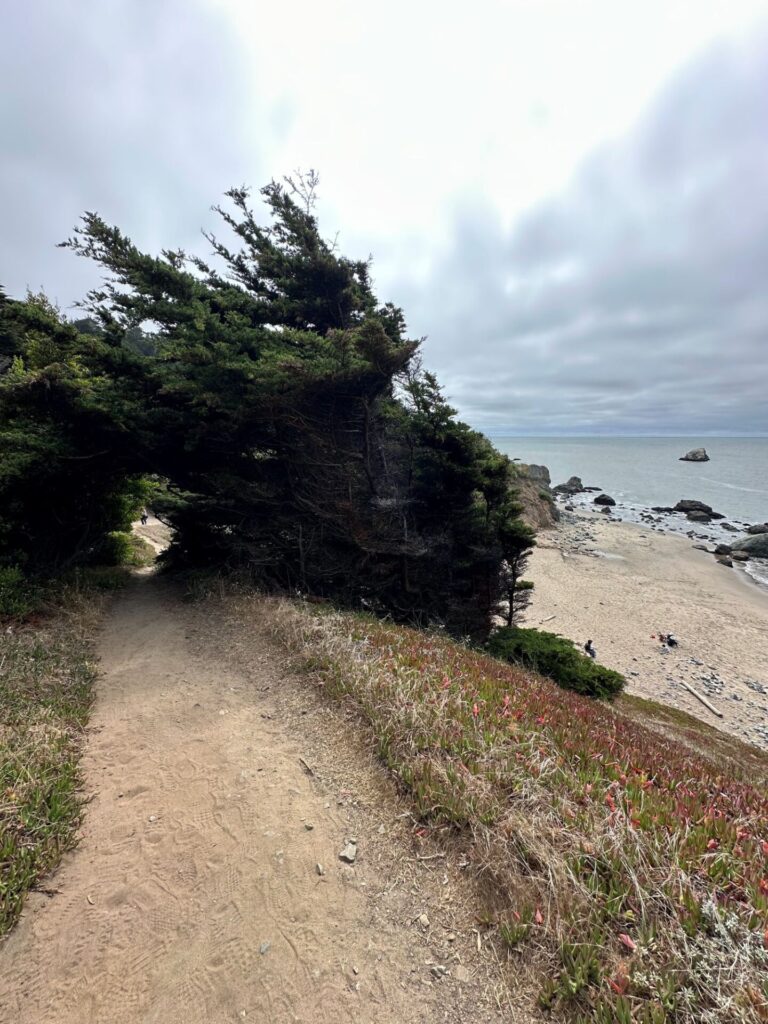
And gratitude for those who’ve taught me to recognize that these landscapes—these places where I’ve healed, grown, and found direction—exist on stolen land. I wasn’t taught that truth as I was growing up. I had to unlearn, relearn, and understand the deeper history beneath my feet.
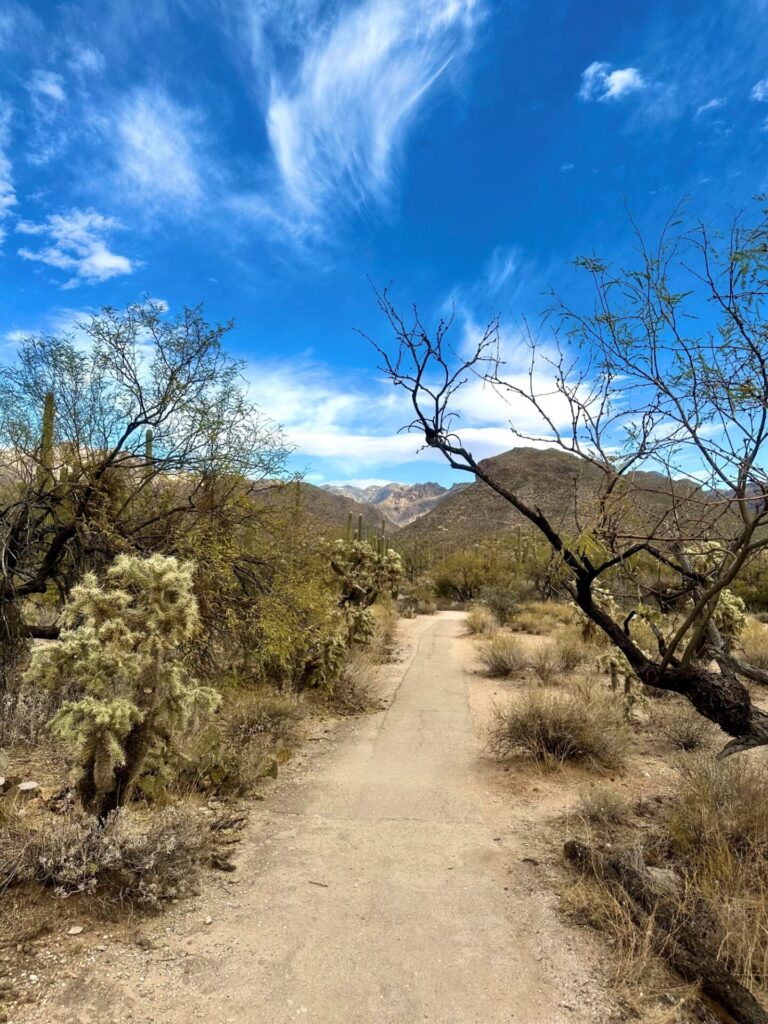
My path into archaeology hasn’t been straight, smooth, or predictable. But it’s been mine—shaped by literal trails, spiritual paths, academic detours, global adventures, and countless people who helped clear the way. And as I continue on this new NAGPRA-focused trail, I’m grateful every day for where I’ve been and where I’m going.
Now who wants to go hit the trail together?
DONATE TODAY