What slows or halts the geographic spread of an ideology—especially an ideology that brings people together?
Preservation Fellow Lewis Borck found out. His research built on previous work done by Archaeology Southwest that focused on detecting Kayenta immigrants and determining their impacts in communities across the southern Southwest. Kayenta immigrants were a powerful minority with a strong identity and contagious ideology. Salado ideology developed as local groups and these influential immigrants lived together over generations. We have identified communities that adopted these new ideas.
Now, why did some local groups say “no” to Salado? How might we investigate 600-year-old acts of resistance?
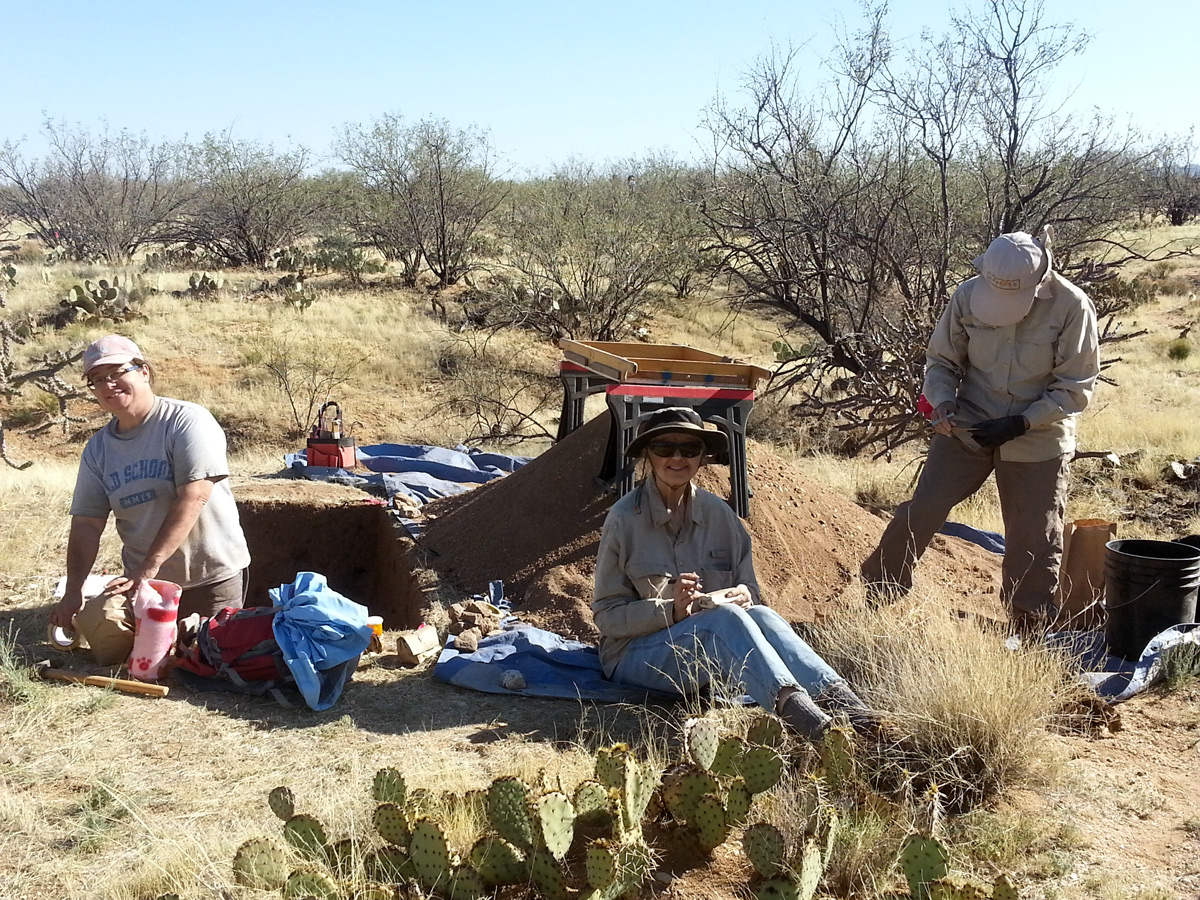
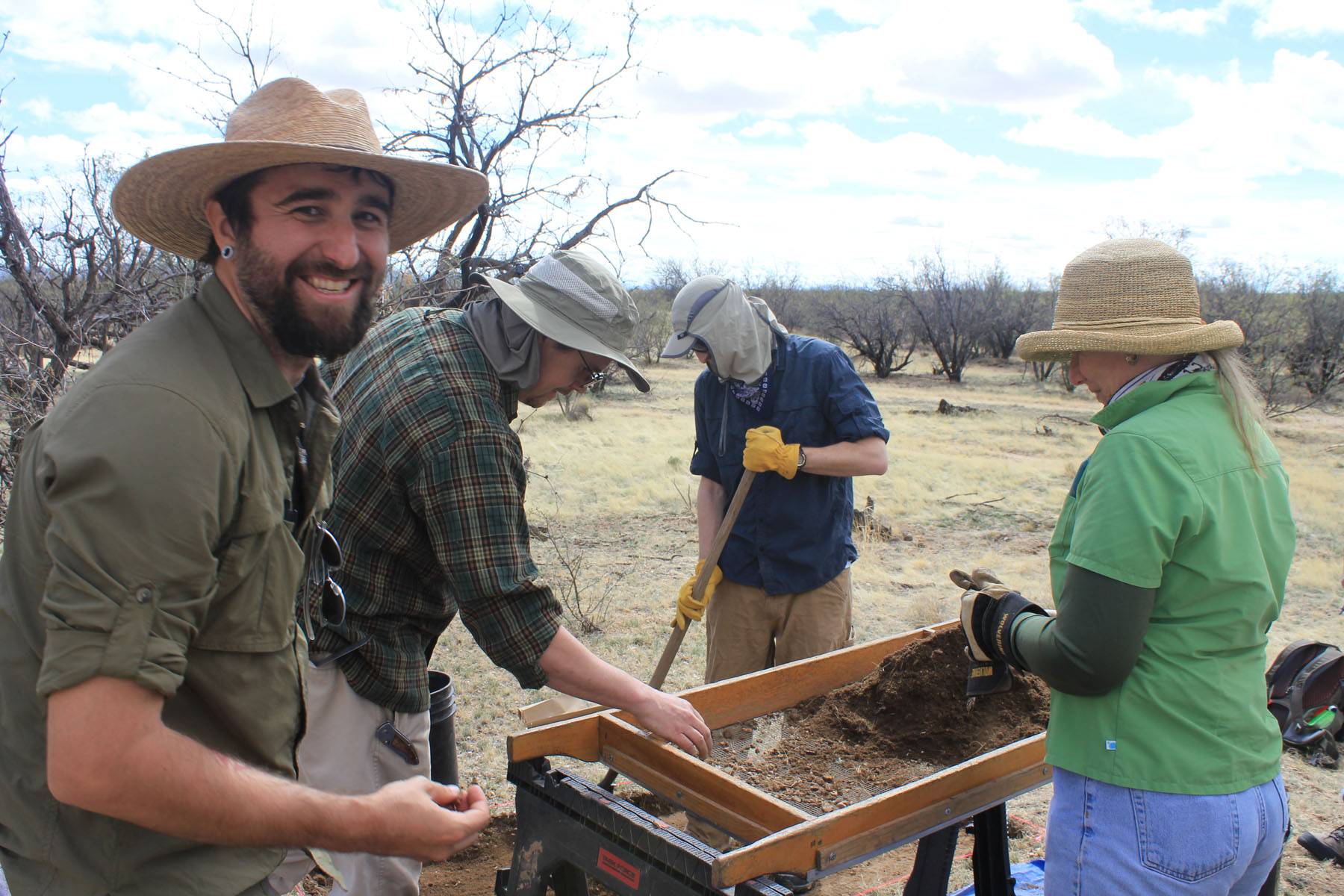
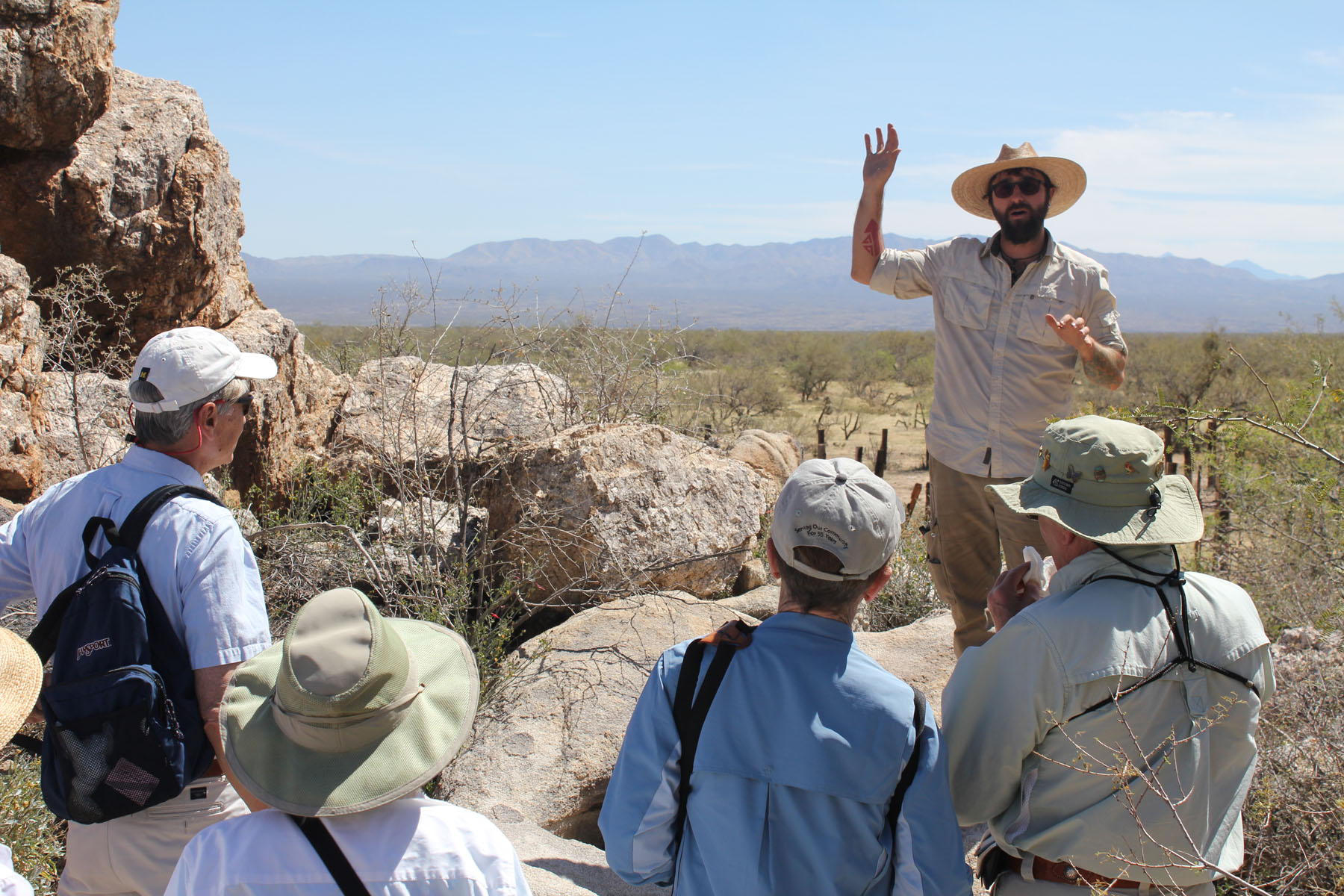
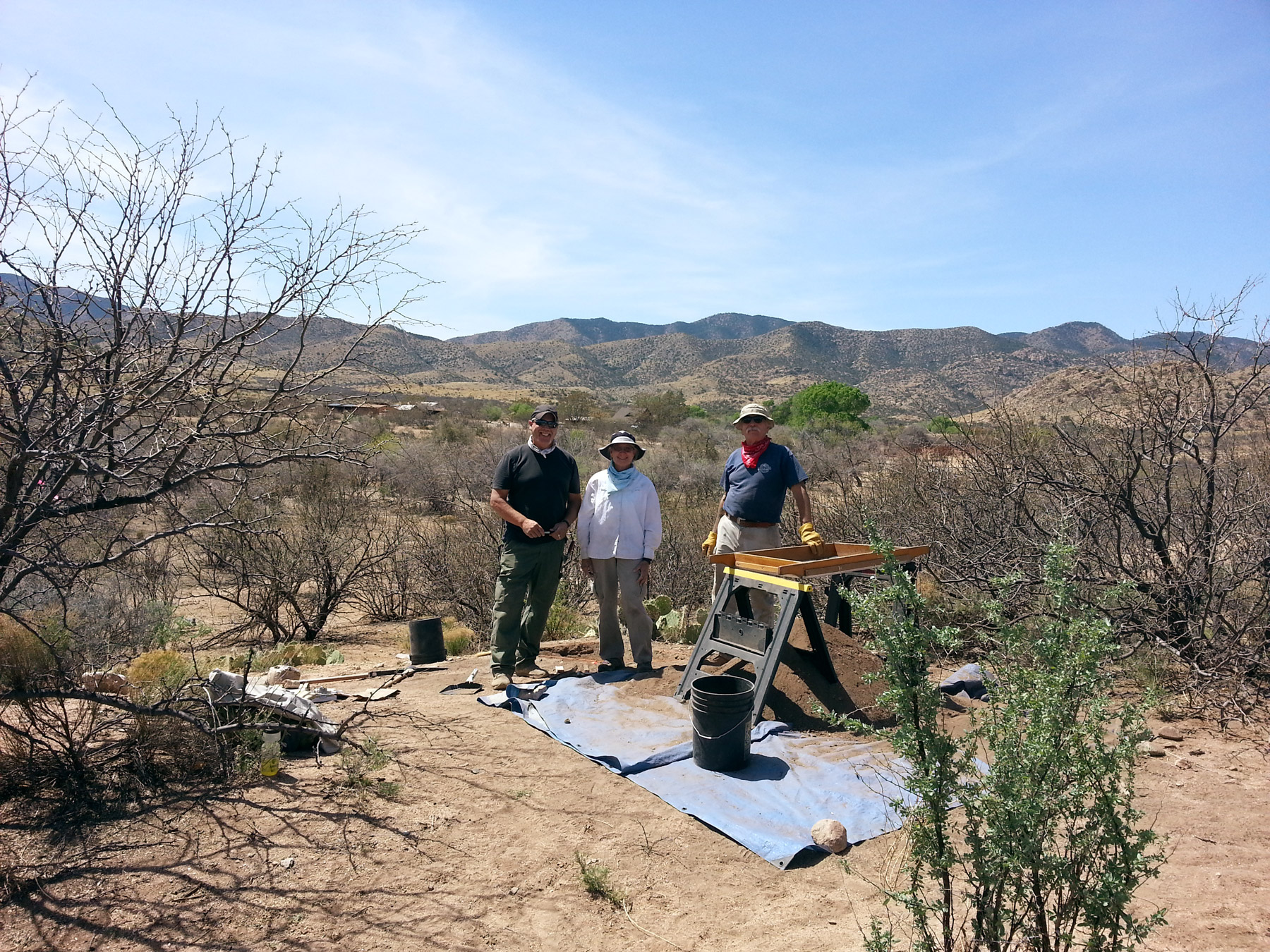
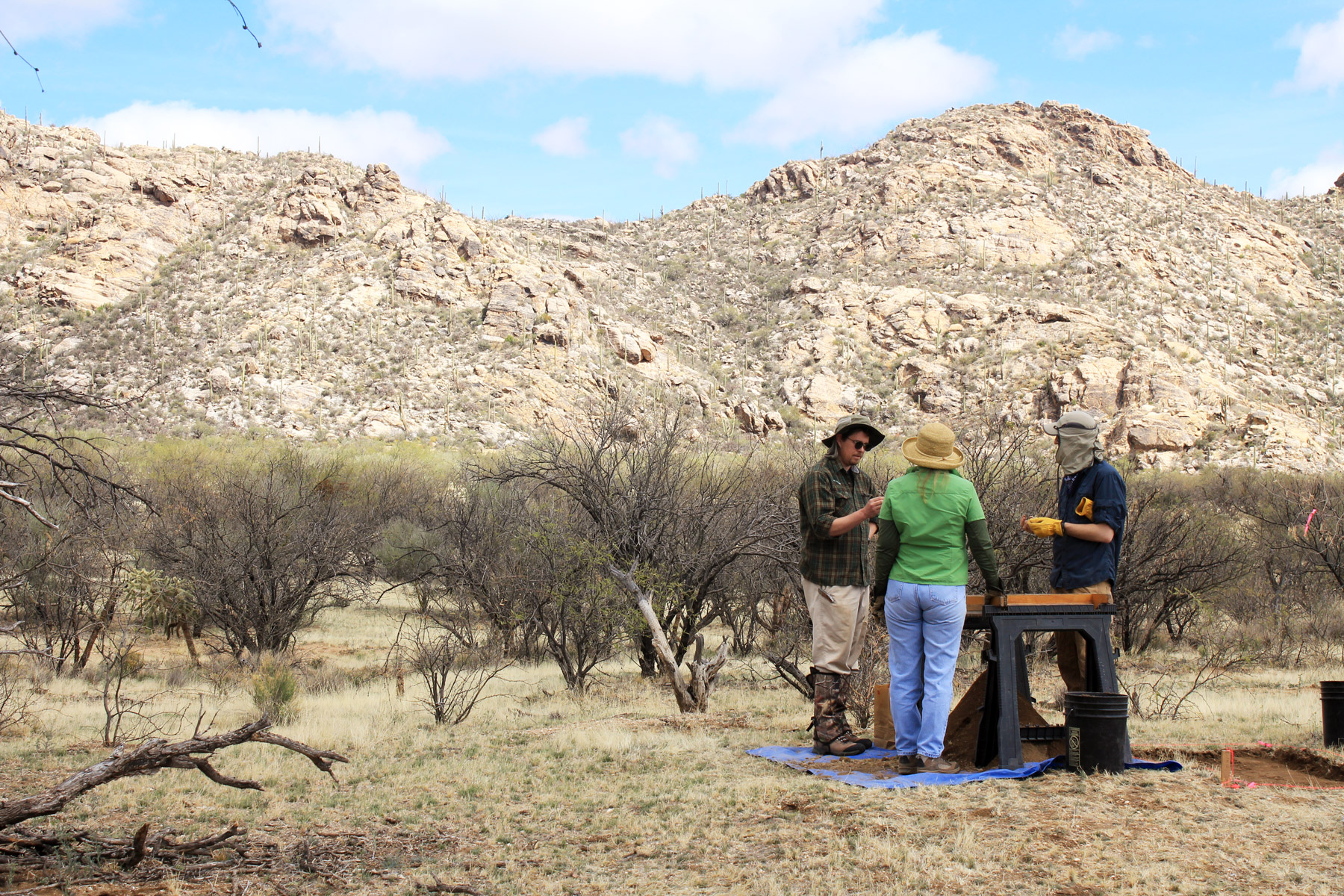
Lewis’s research examined local groups outside of the southern margin of Salado. At least some of these groups continued to practice older traditions. They were, apparently, less affected by the dramatic social changes of the early 1300s that led to the transformation we call Salado. We conducted a few limited test excavations and looking at existing artifact collections from sites in the Sulphur Springs valley, the Chiricahua Mountains, the upper San Pedro valley, and the Tucson Basin. This work included sites in the northern Sonora portion of the San Pedro and sites west of Tucson, in the region known as the Papaguería.
We hypothesized that local groups were more resistant to Kayenta influence—and, by extension, Salado ideology—when their communities were located farther away from known immigrant enclaves and local population centers. We are especially interested in variability among communities, in terms of their responses or resistance to Salado.
In addition, our work in the western portion of our study region included collaboration with the Tohono O’odham Nation on relevant oral histories and ethnohistoric data.
This work was funded in part by a grant from the National Science Foundation (BCS-1155222).