Banner image by Adriel Heisey
Oblique Views
On display at the Chandler Museum from April 9 to July 6, 2019
Chandler Museum
300 S. Chandler Village Drive
Chandler, AZ 85226
…the Oblique Views exhibition conveys that landscapes are cultural as well as geological, imbued with history and memory.
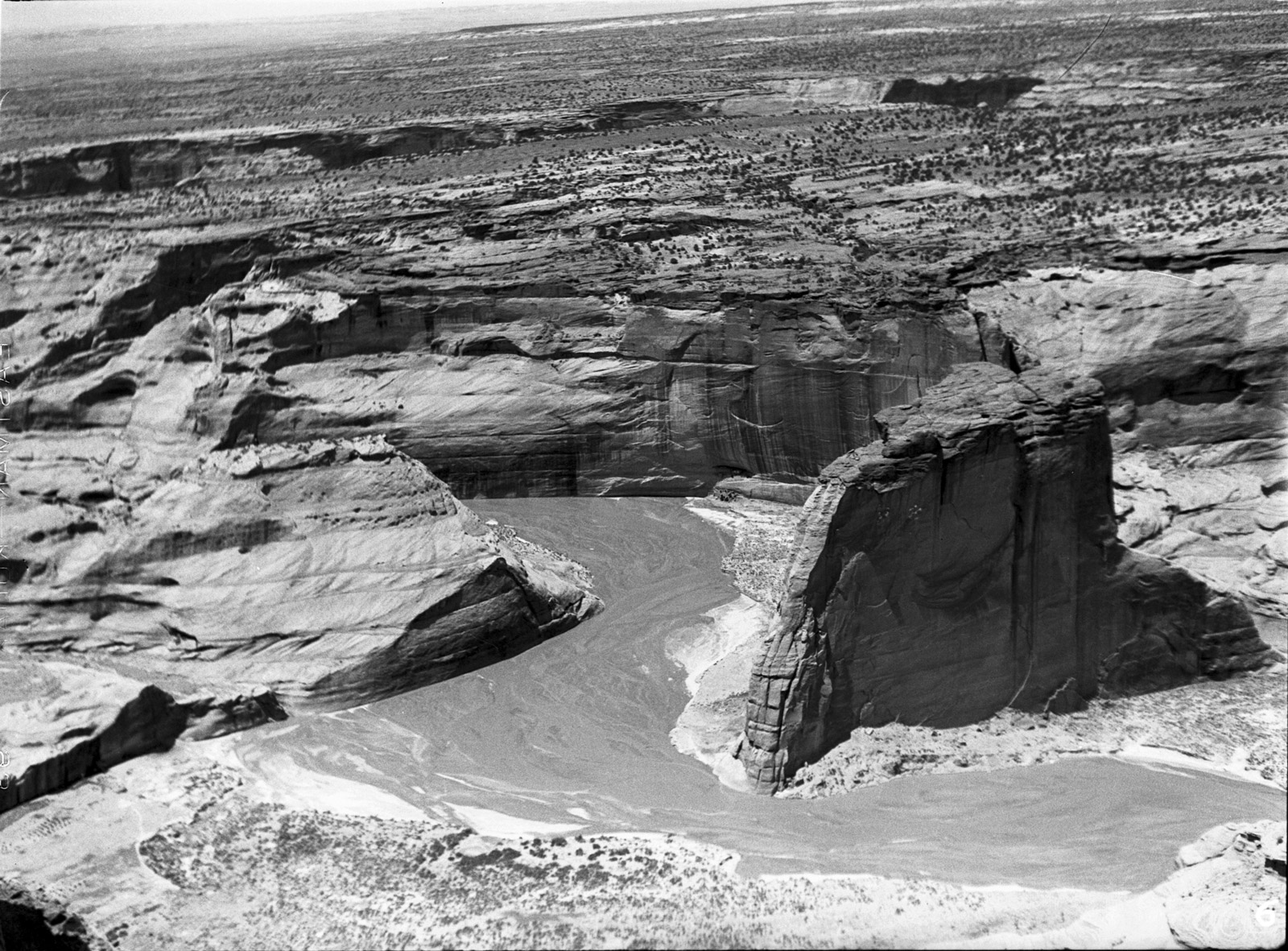
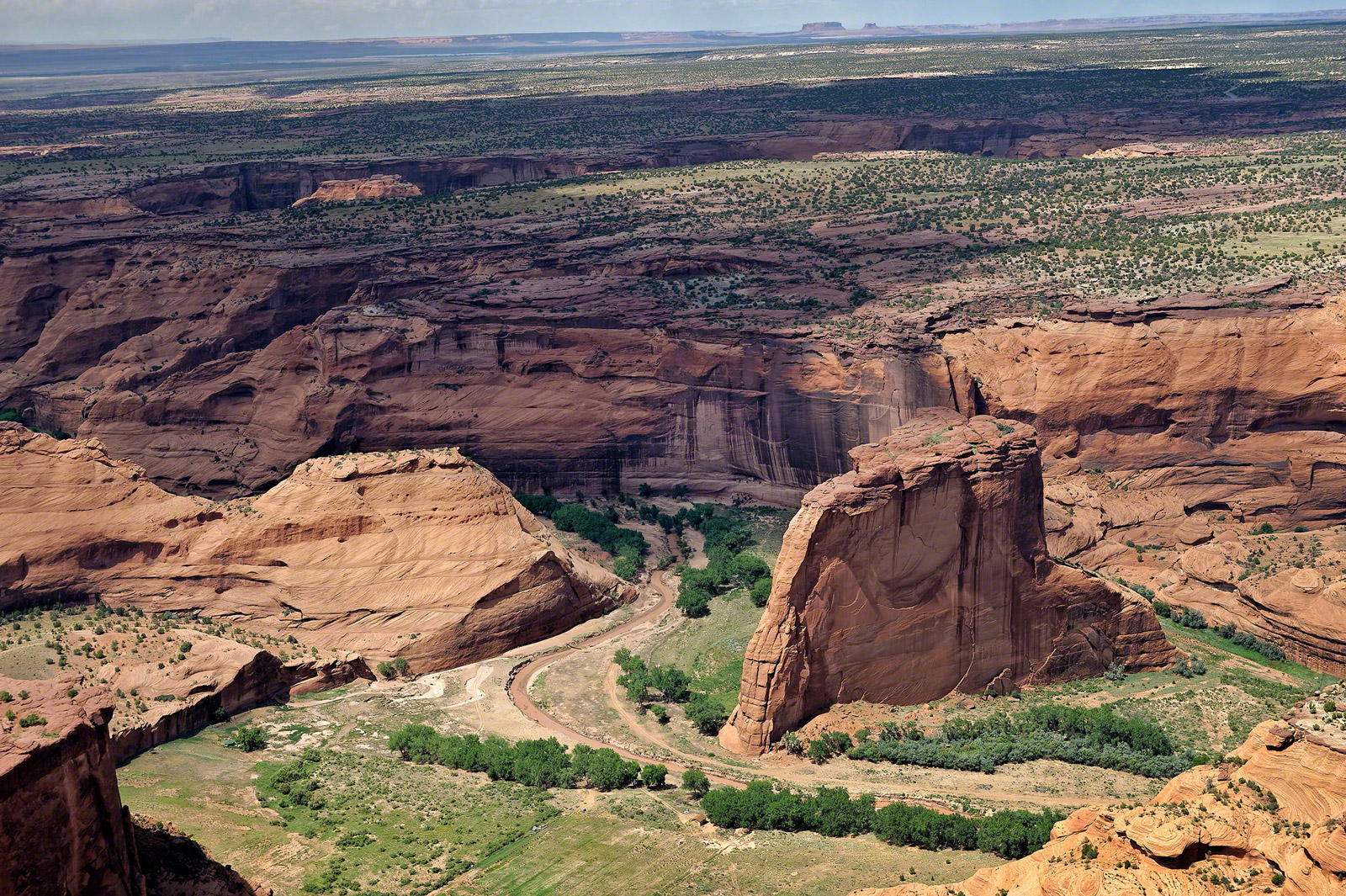
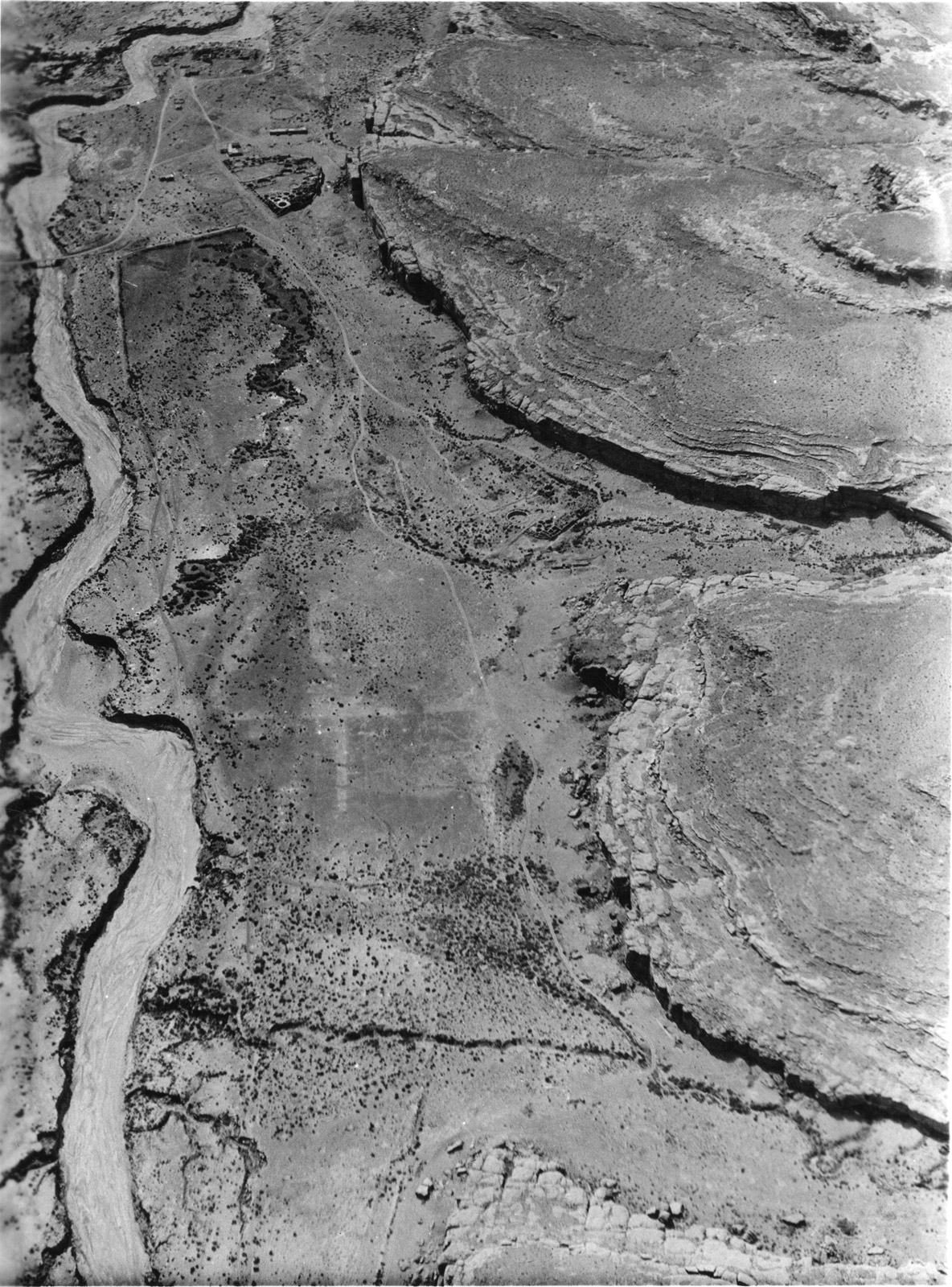
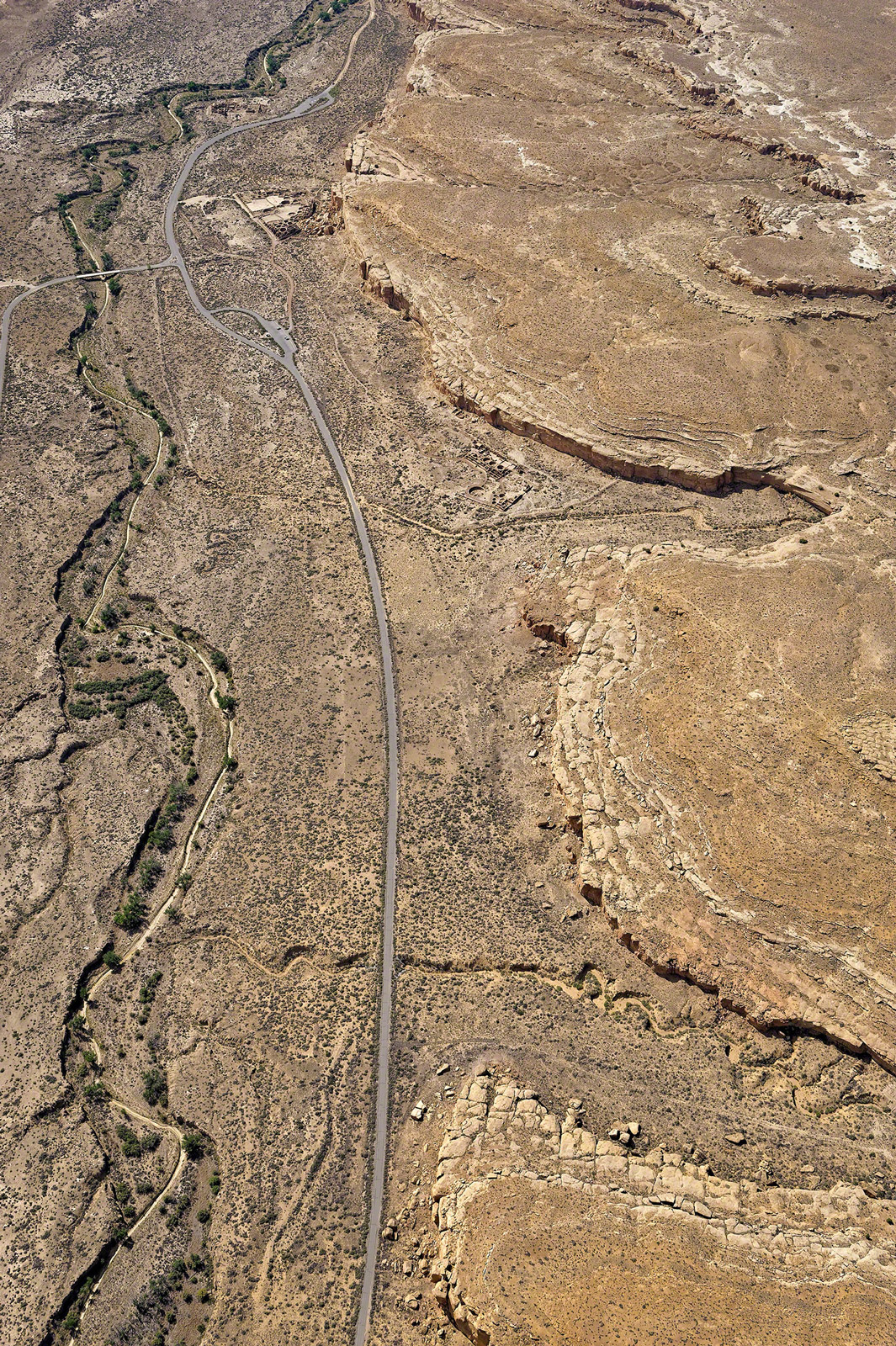
How do our landscapes change over time? And how do we continue to shape the places of our past? Oblique Views: Archaeology, Photography, and Time, opening October 25, 2015 at the Museum of Indian Arts and Culture in Santa Fe, explores this and more through the heightened perspectives of two pilots photographing the same places almost eighty years apart in time. By displaying aerial photographs taken by Charles and Anne Lindbergh in 1929 alongside Adriel Heisey’s more recent rephotographs (near-exact duplicates) of the same landscapes, Oblique Views enables us to see how natural processes, technological and cultural developments, and population changes have impacted some of the past’s most special places.
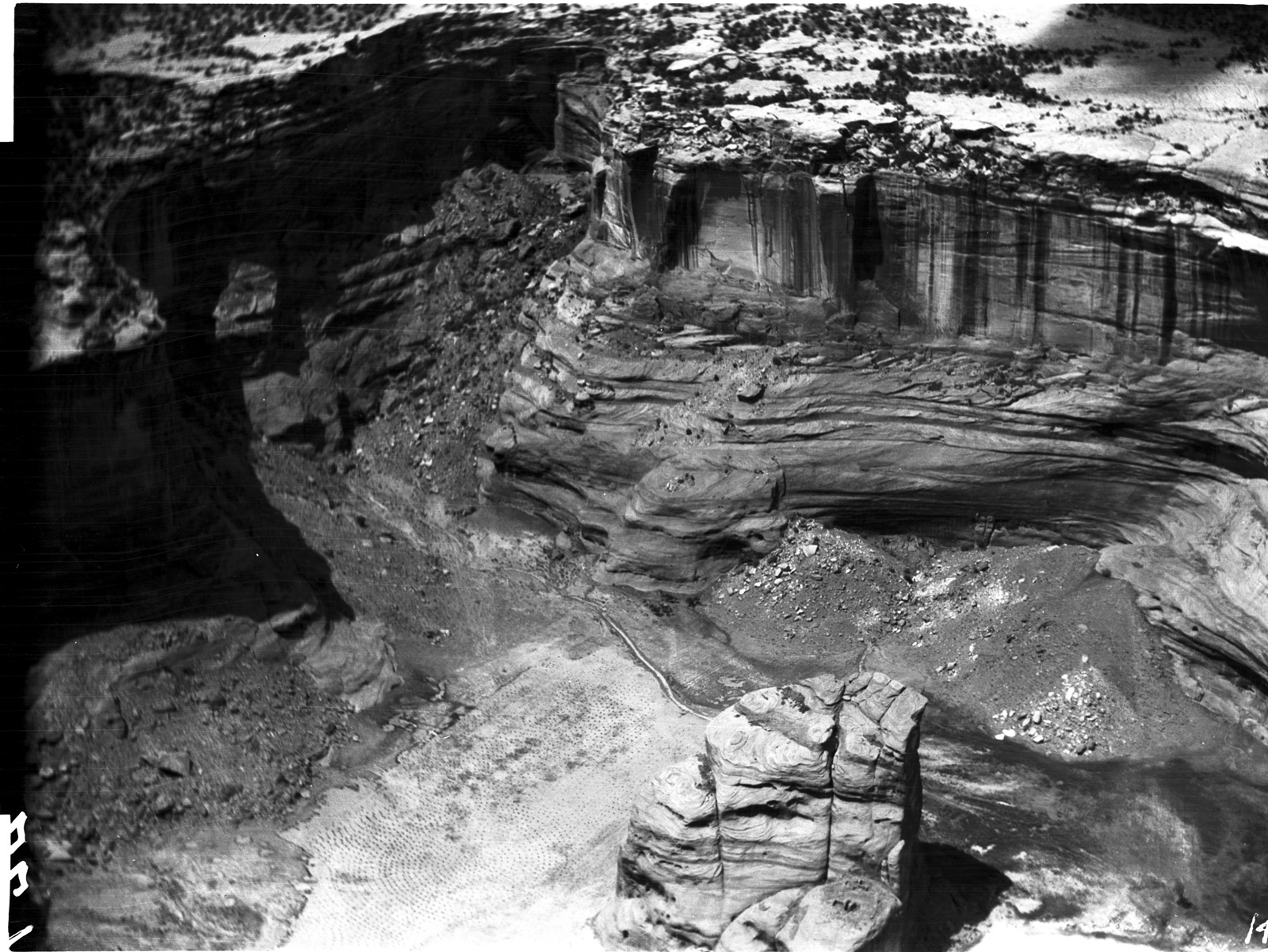
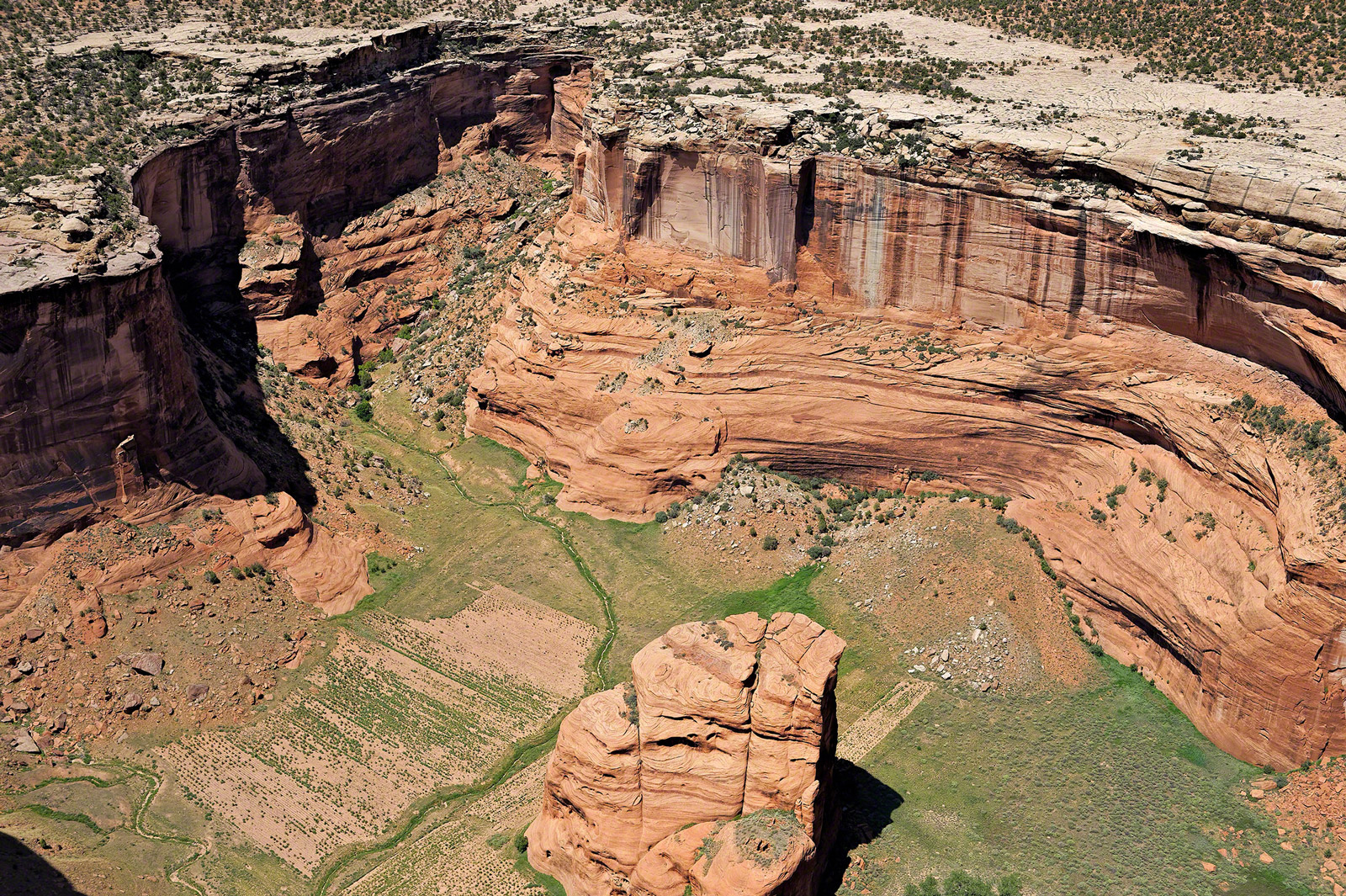
Archaeology Southwest conceived of the Oblique Views project in 2004 as a preservation project to scan and protect the 198 original deteriorating nitrate negatives of archaeological landscapes and sites shot by the Lindberghs in 1929. These images, some of the earliest aerial photographs of Southwestern archaeological sites, are a rare and significant record of the Southwest’s past.
Working closely with the Lindbergh images during the initial preservation scanning process made it clear that the photographs had a larger story to tell, a story of both change and continuity in the American Southwest’s landscape over the last century. Archaeology Southwest’s vision for the Oblique Views exhibit is to give audiences an intimate opportunity to explore the scale of change that has taken place in the rich and layered cultural landscape of the American Southwest.
|
|
|
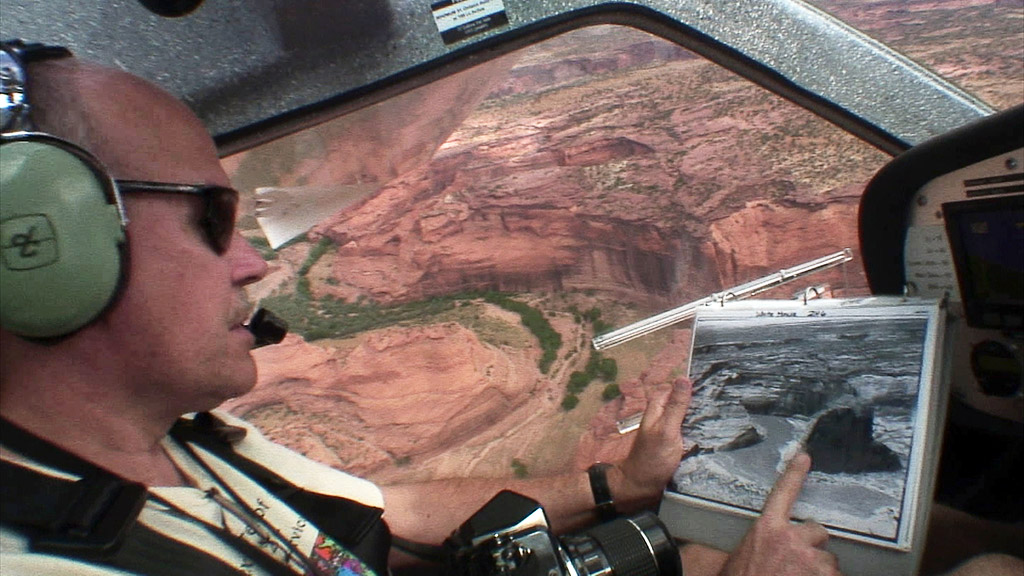
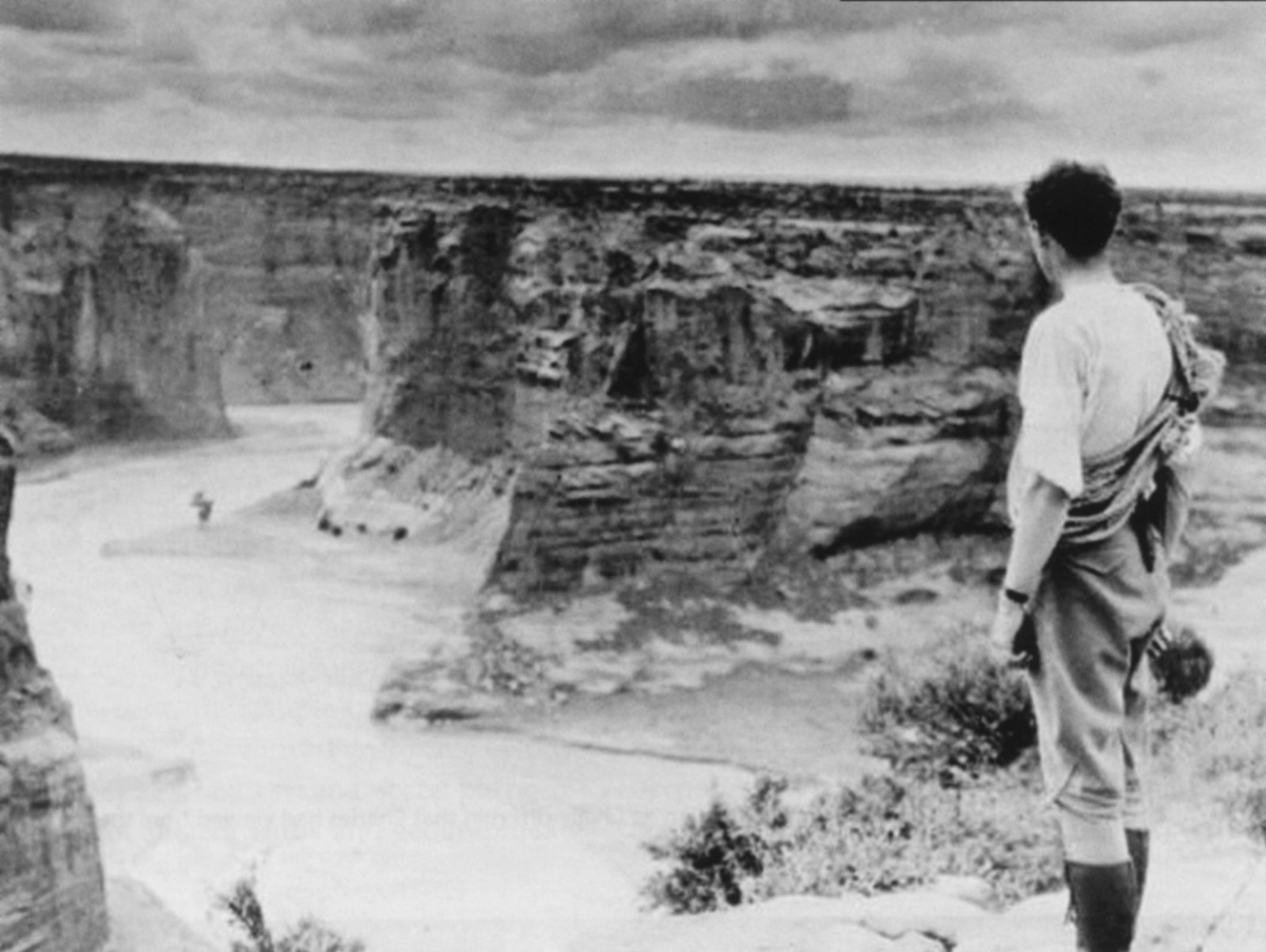
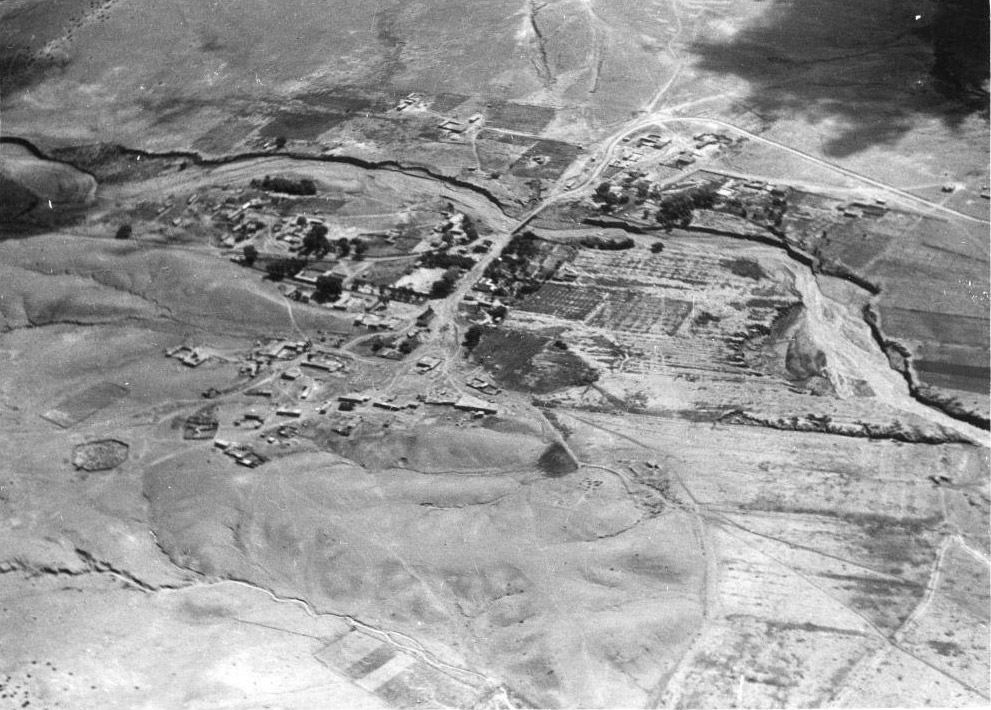
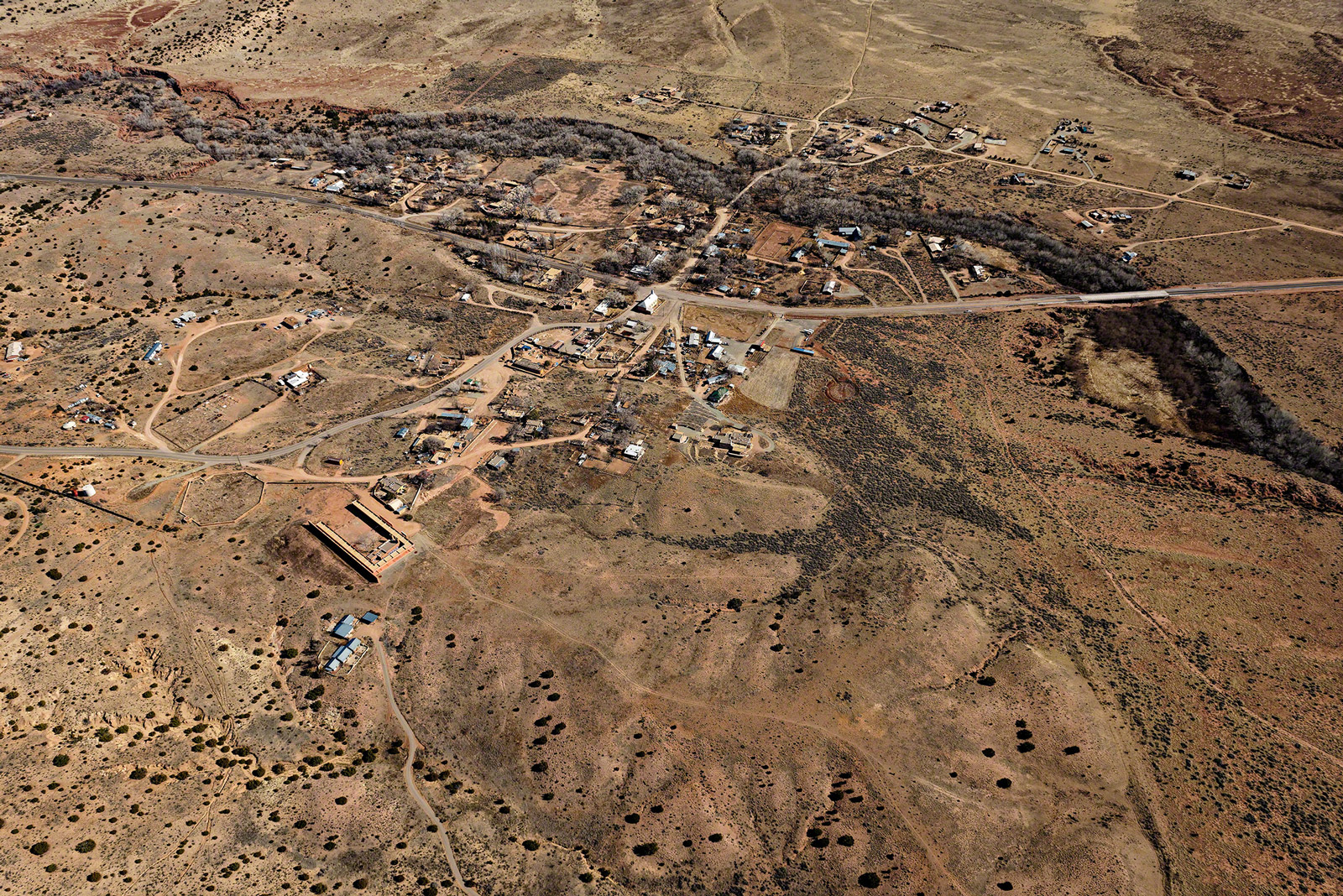
The 20th century was a period of great cultural and technological change throughout the United States, and the Southwest was not immune to the effects of these transformations. Although visitors and residents of the region today may perceive these landscapes as timeless and unchanged, the reality is more complex. The impact of human activity—past and present—can be read across the landscape, once you know what to look for. By comparing the same view from two airplanes separated in time, Oblique Views enables observers to witness changes in the landscape that might otherwise have gone unnoticed. Through Oblique Views, we strive to provide people with an opportunity to explore the multifaceted cultural landscapes of the Southwest on an intimate level, and to come to a clearer understanding of what the stories in these landscapes can tell them about their own sense of place.
|
|
|
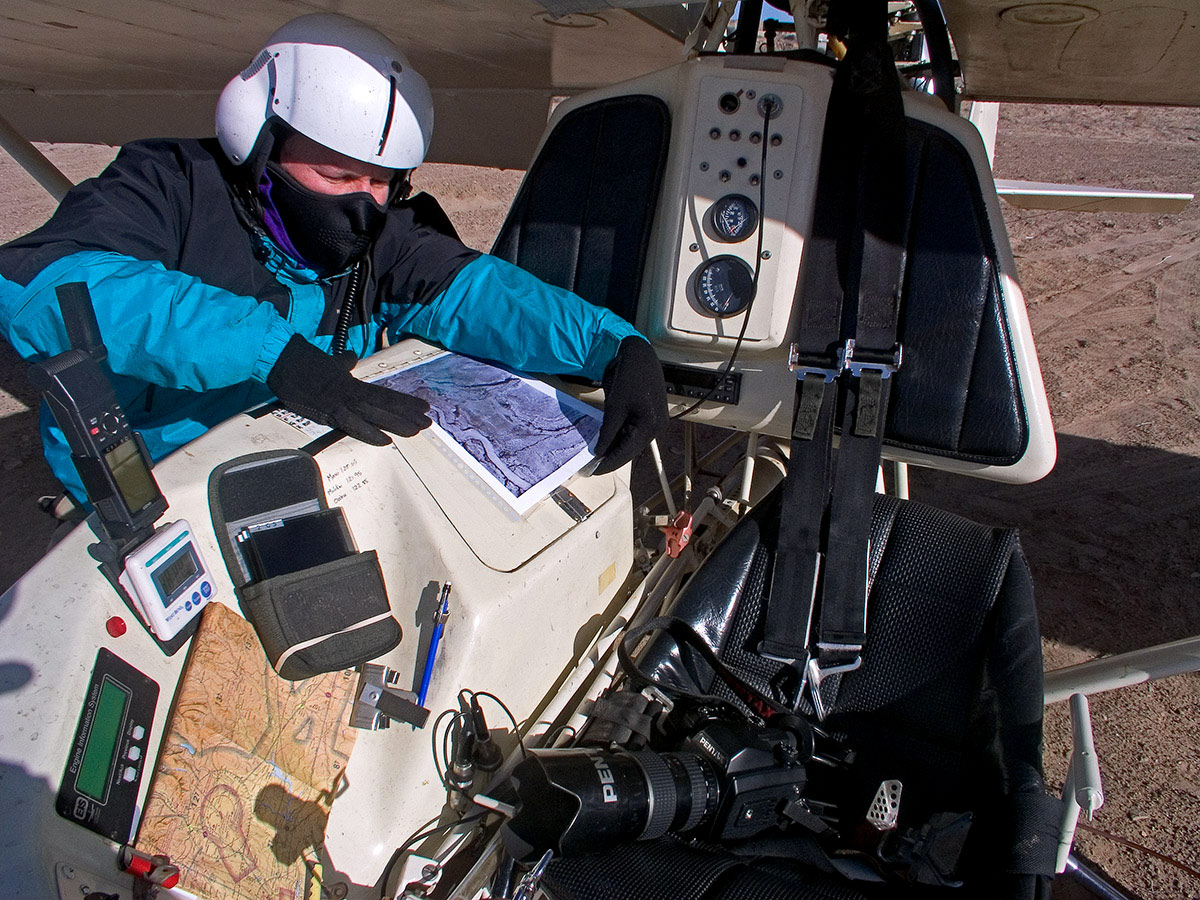
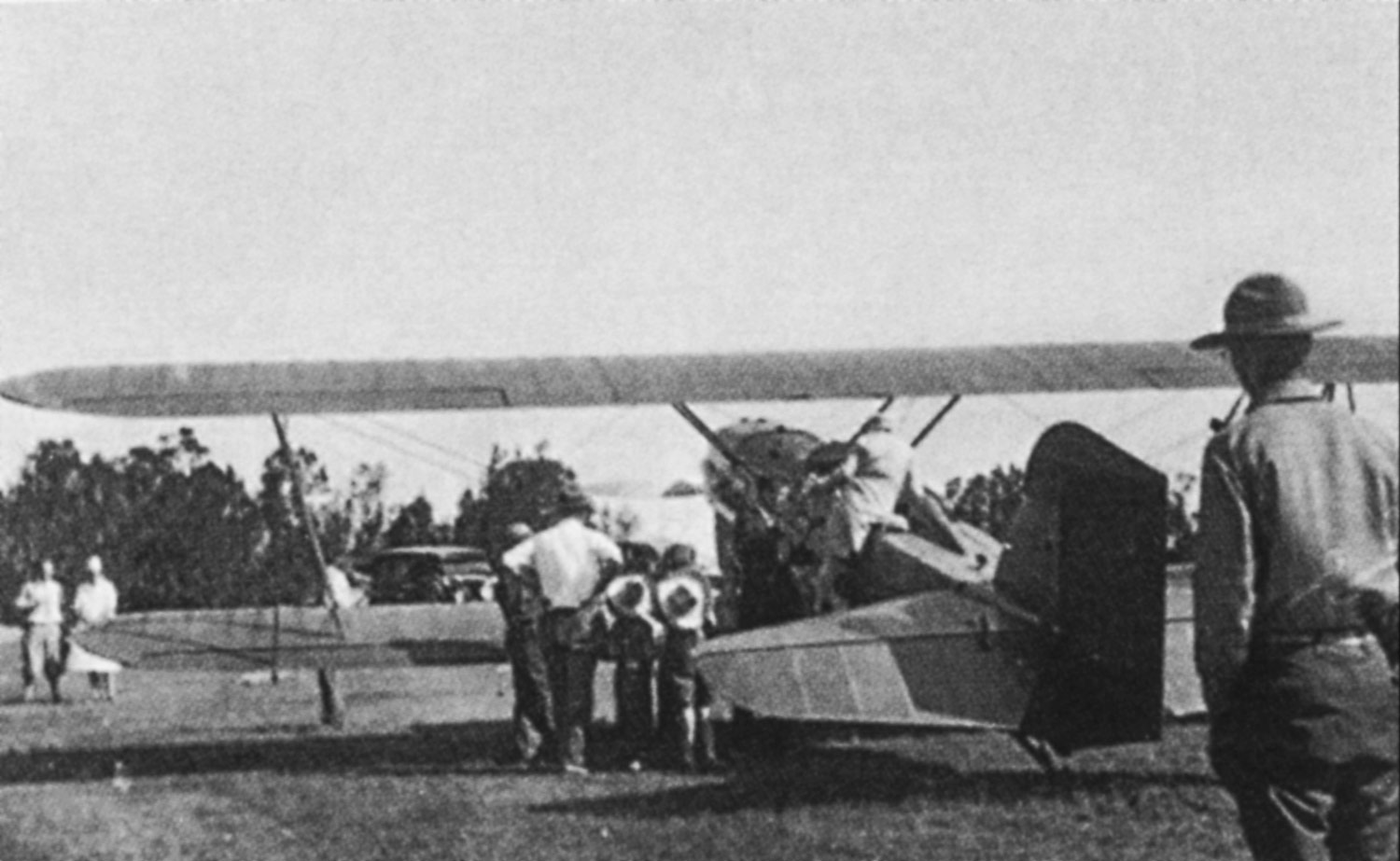
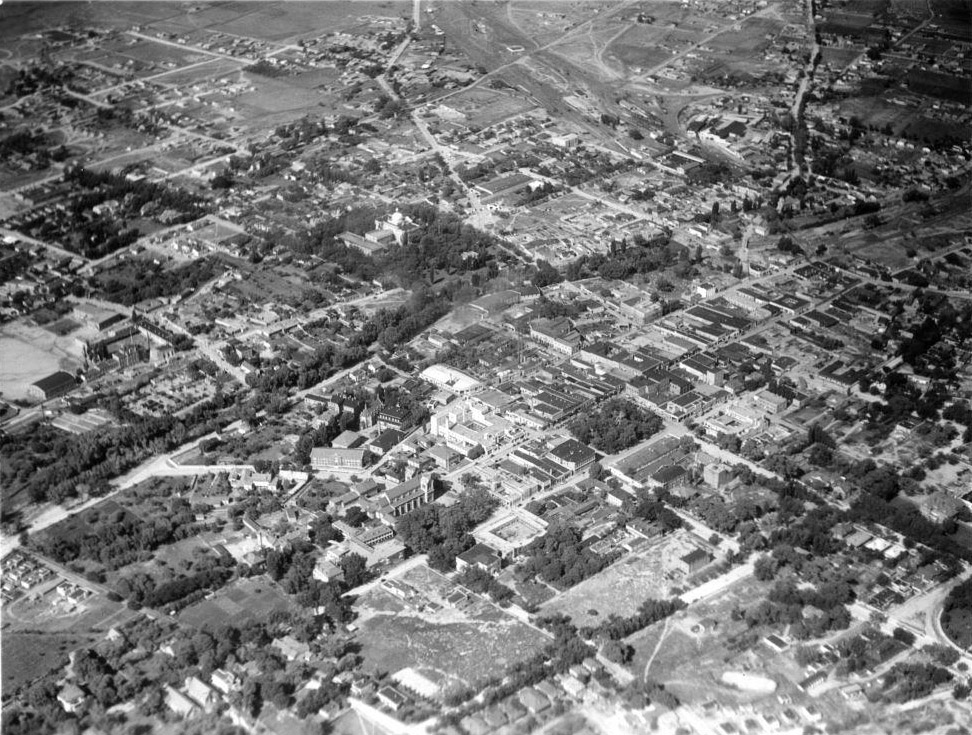
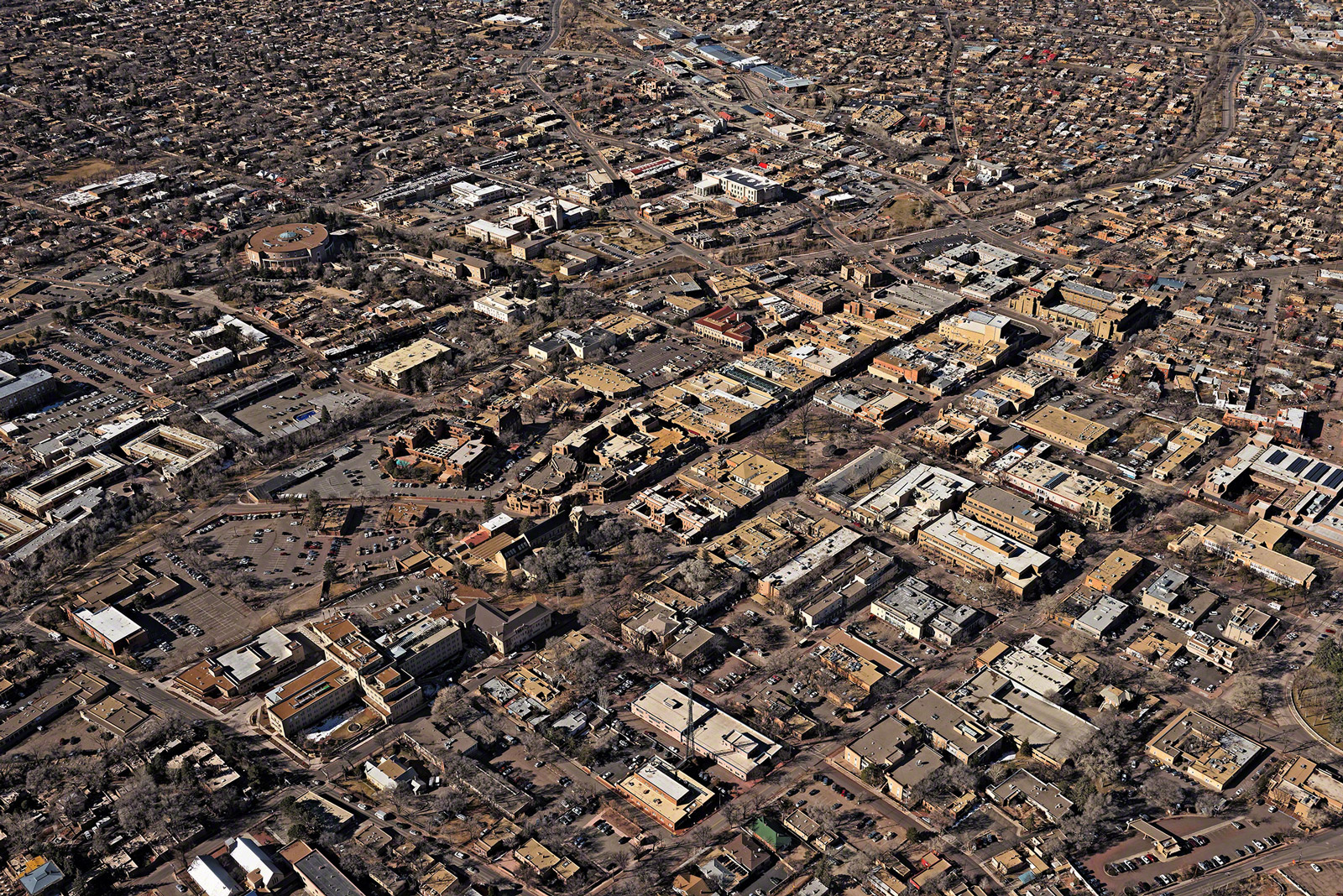
To create his version of the Lindberghs’ historic shots, Heisey flew to the same sites at the same time of day and, when possible, during the same time of year as the Lindberghs decades earlier. Equipped with copies of the original Lindbergh photographs for reference, Heisey carefully shot his aerials from the same perspective. Featuring “then-and-now” pairings of several sites such as Canyon de Chelly, Chaco Canyon, and the Rio Grande valley in the Santa Fe area, this exhibit gives us an exclusive look into our continued role in shaping these significant places of our past.
|
|
|
We offer sincere thanks to the Museum of Indian Arts and Culture, our lead partner in the creation of the exhibit; to Adriel Heisey for his masterful rephotography of Lindbergh’s aerials; to the Palace of the Governors in Santa Fe, New Mexico, for curating Lindbergh’s negatives; and to the New Mexico Press for publishing the accompanying catalog.